Carbon use and stem CO₂ isotope dynamics
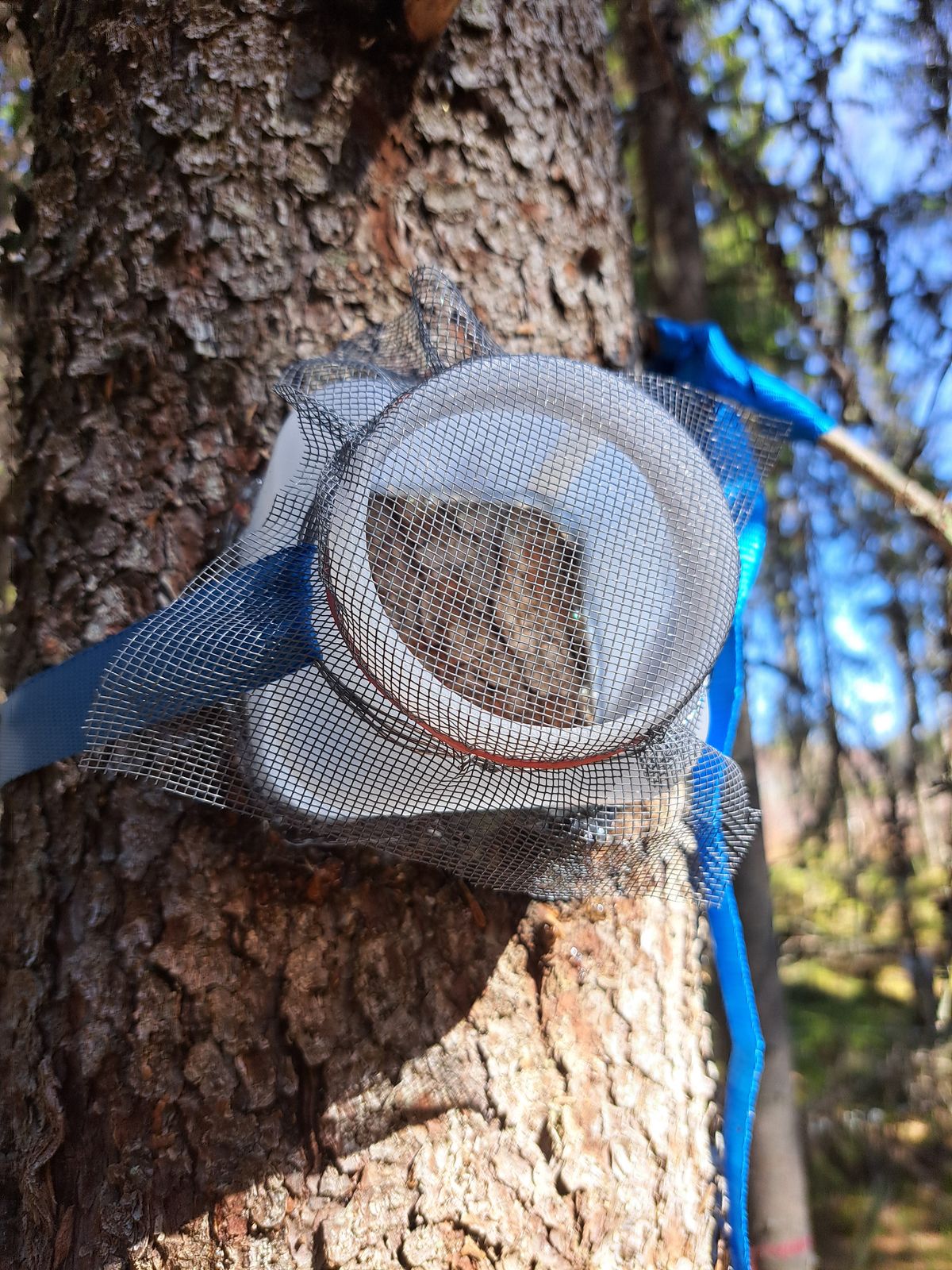
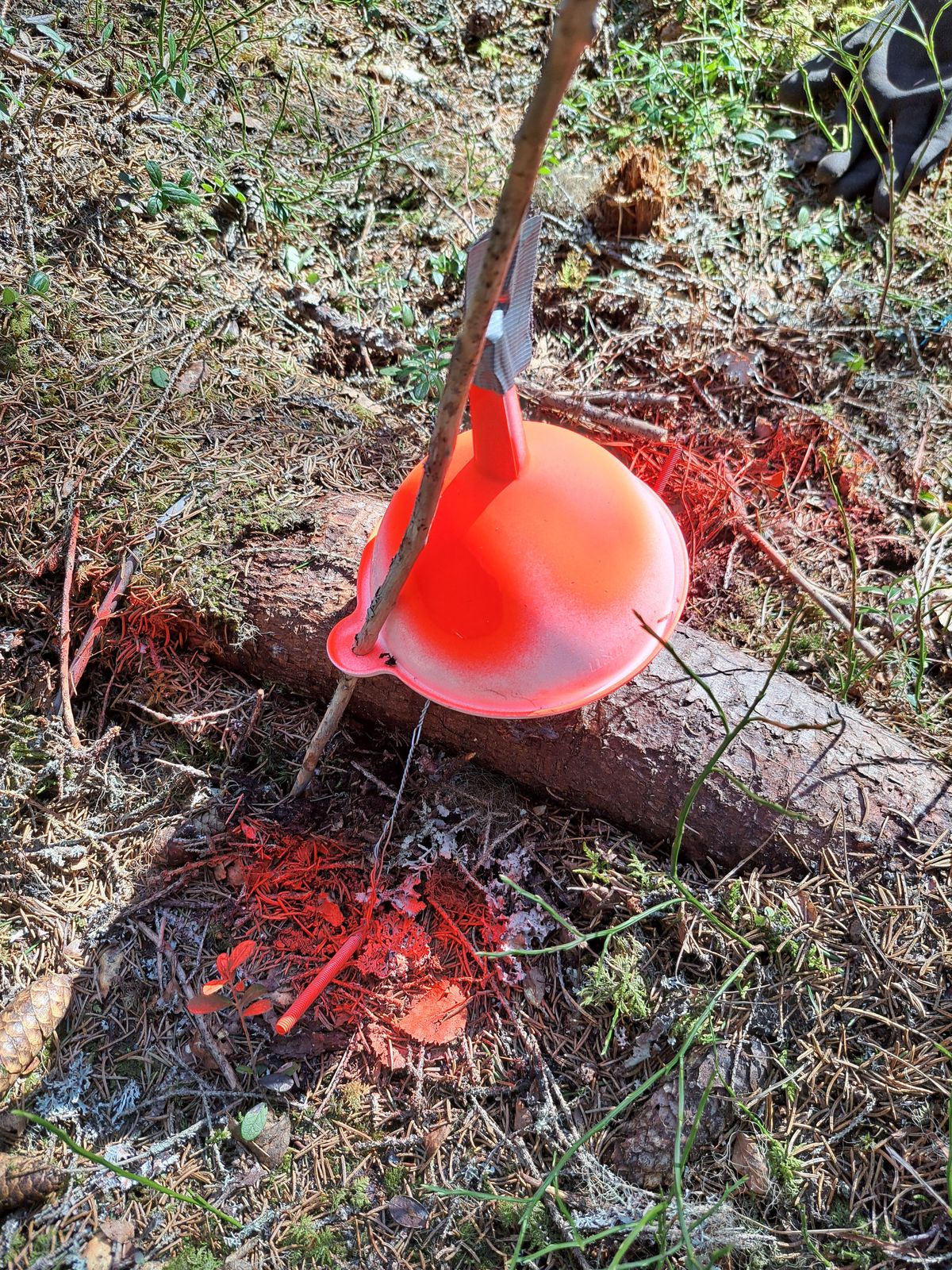
I am developing isotope-enabled measurements of stem CO₂ efflux to investigate how carbon use changes through time and under water limitation. The field system combines stem CO₂ efflux and δ13C with sap flow, stem growth, soil respiration and environmental measurements.
The work links short-term carbon dynamics in living trees with the processes that determine the isotope signal preserved in wood.
Role: Conceptual lead, experimental design, isotope methods and data integration.
Adapting drained forests to future climates
A Nordic–Baltic project examining how changing water availability affects forests, water quality and biodiversity in drained hemiboreal landscapes.
I coordinate Luke's contribution and lead the tree-physiology component.
Past projects & grants
- 2023–2025 · Original PI · CONACYT Ciencia de Frontera · Seasonal variations in forest growth and ecophysiology during the transition to the current megadrought in Mexico · USD 50,000
Awarded to Szejner and subsequently transferred to Laura Beramendi following his move from Mexico, because the funding could not be transferred between institutions.
- 2022 · Project lead · International Mobility Research Fellowship Program for Latin American and Caribbean early-career scientists · Strengthening collaboration networks and scientific capabilities through tree-ring research in Mexico and Chile
- 2021–2023 · Co-PI · PAPIIT, UNAM · Temporal variations in the isotopic composition of atmospheric CO₂ as indicators of emission sources in Mexico City · USD 30,000
- 2021–2022 · PI · PAPIIT, UNAM · Ecophysiological variations along the tree growing season recorded in the dendrochronological archive · USD 20,000
- 2012–2013 · PI · Private-sector research funding · Precipitation and streamflow reconstruction in the Choapa basin · USD 80,000